Fire Alarm Installation in Bristol & Ongoing Maintenance
At South Glos Fire Security, we provide professional fire alarm installation in Bristol, alongside routine inspections, testing, repairs and ongoing maintenance. Whether you manage commercial premises, oversee a rental property or need a new detection system, we help keep your equipment working reliably. Based in Pucklechurch, we offer practical advice, tailored solutions and direct communication with an experienced local engineer.
Experienced Local Engineers You Can Speak to Directly
Choosing someone to look after your building's detection equipment means finding a professional who understands both the technical requirements and your responsibilities.
Over 15 Years of Industry Experience:
Practical knowledge gained through hands-on work across domestic and commercial systems.
Independent Local Business:
Established in 2019 and based in Pucklechurch, South Gloucestershire.
Direct Engineer Contact:
Speak with the person handling your enquiry rather than navigating a call centre.
Existing System Support:
Assistance with routine servicing, fault diagnosis, upgrades and replacement equipment.
British Standards Awareness:
Work undertaken with reference to BS 5839 where applicable.
Convenient WhatsApp Enquiries:
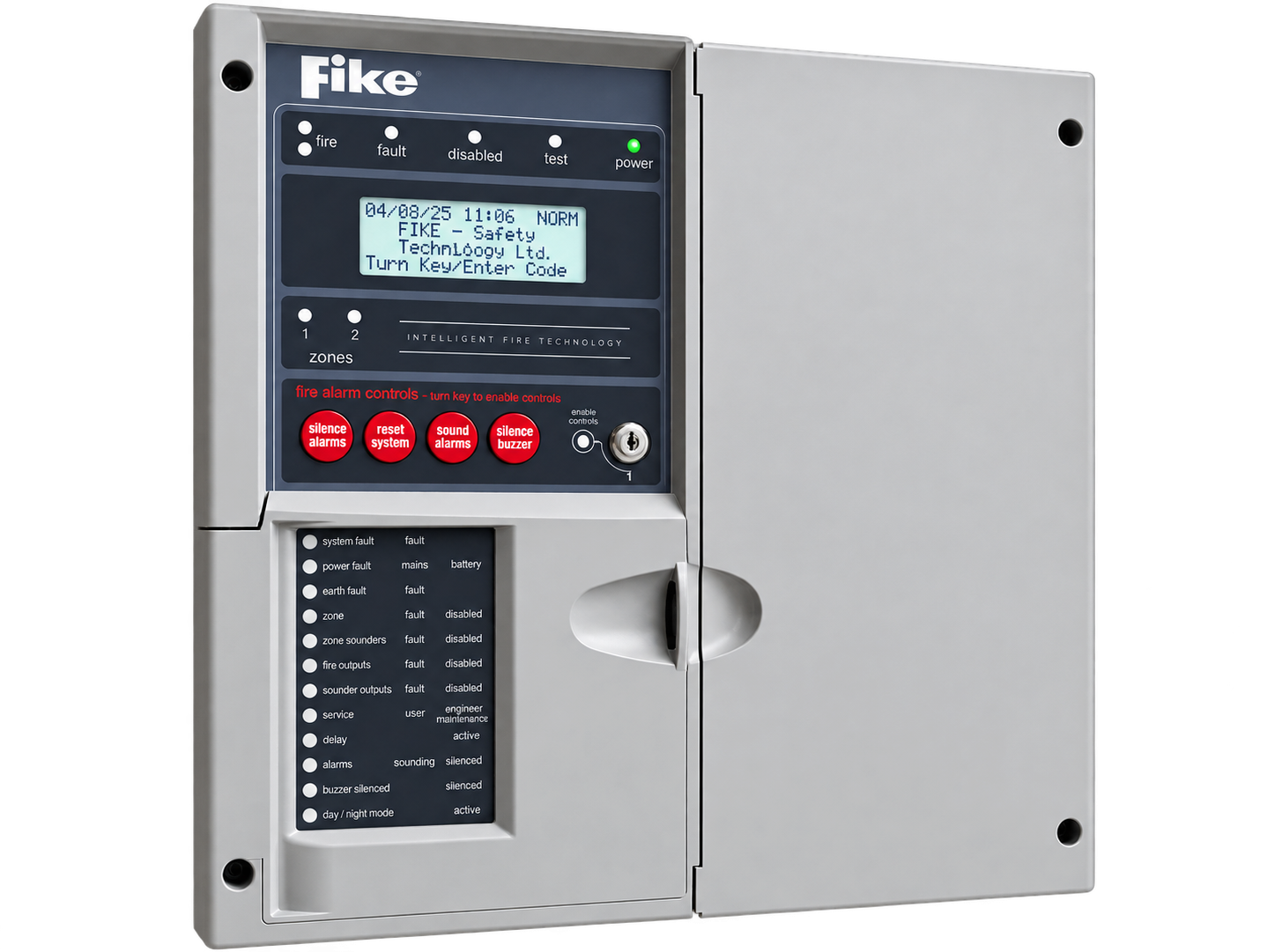
Send photographs of control panels or visible faults before arranging a visit.
Prefer to speak directly? Call 0117 937 4917 or email sgfs_2019@outlook.com.
Fire Alarm Installation for Commercial & Domestic Properties
We install fire alarm systems for businesses, landlords, property managers and homeowners across Bristol and South Gloucestershire, providing reliable detection and warning solutions suited to each property.
Our work covers conventional and addressable systems, as well as fire alarm Grades A, C, D1, D2 and F. We recommend suitable equipment based on the building’s layout, occupancy, fire risk assessment, existing infrastructure and the appropriate system grade and category.
Understanding Fire Alarm Grades
Fire alarm grades describe the type of detection and warning equipment used, particularly in domestic properties and certain residential accommodation under BS 5839-6.
- Grade A: Systems incorporating control and indicating equipment, typically used in larger or higher-risk residential buildings and certain shared accommodation.
- Grade C: Systems using detectors and alarm devices connected to a central control unit, generally associated with particular residential applications.
- Grade D1: Mains-powered smoke or heat alarms with a tamper-proof standby battery, commonly used in houses and rental properties.
- Grade D2: Mains-powered alarms with a user-replaceable standby battery, suitable for certain domestic applications.
- Grade F: Battery-powered alarms, including Grade F1 sealed-battery and Grade F2 replaceable-battery devices, used where appropriate for the property.
The correct grade depends on the building and its fire safety requirements.
Choosing the Right Fire Alarm Category
Alongside the system grade, the fire alarm category determines the intended level and purpose of detection coverage.
For non-domestic premises, BS 5839-1 identifies categories including L1–L5 for life protection, P1–P2 for property protection and Category M for manual systems.
Domestic systems under BS 5839-6 use categories LD1, LD2 and LD3, reflecting different levels of detection coverage.
We consider the relevant grade and category when recommending a system, helping ensure the equipment and detection coverage are appropriate for the property’s requirements.
Our Fire Alarm Installation Services
We can assist with:
- New fire alarm system design considerations and equipment selection.
- Conventional and addressable fire alarm systems.
- Grade A, C, D1, D2 and F fire alarm systems.
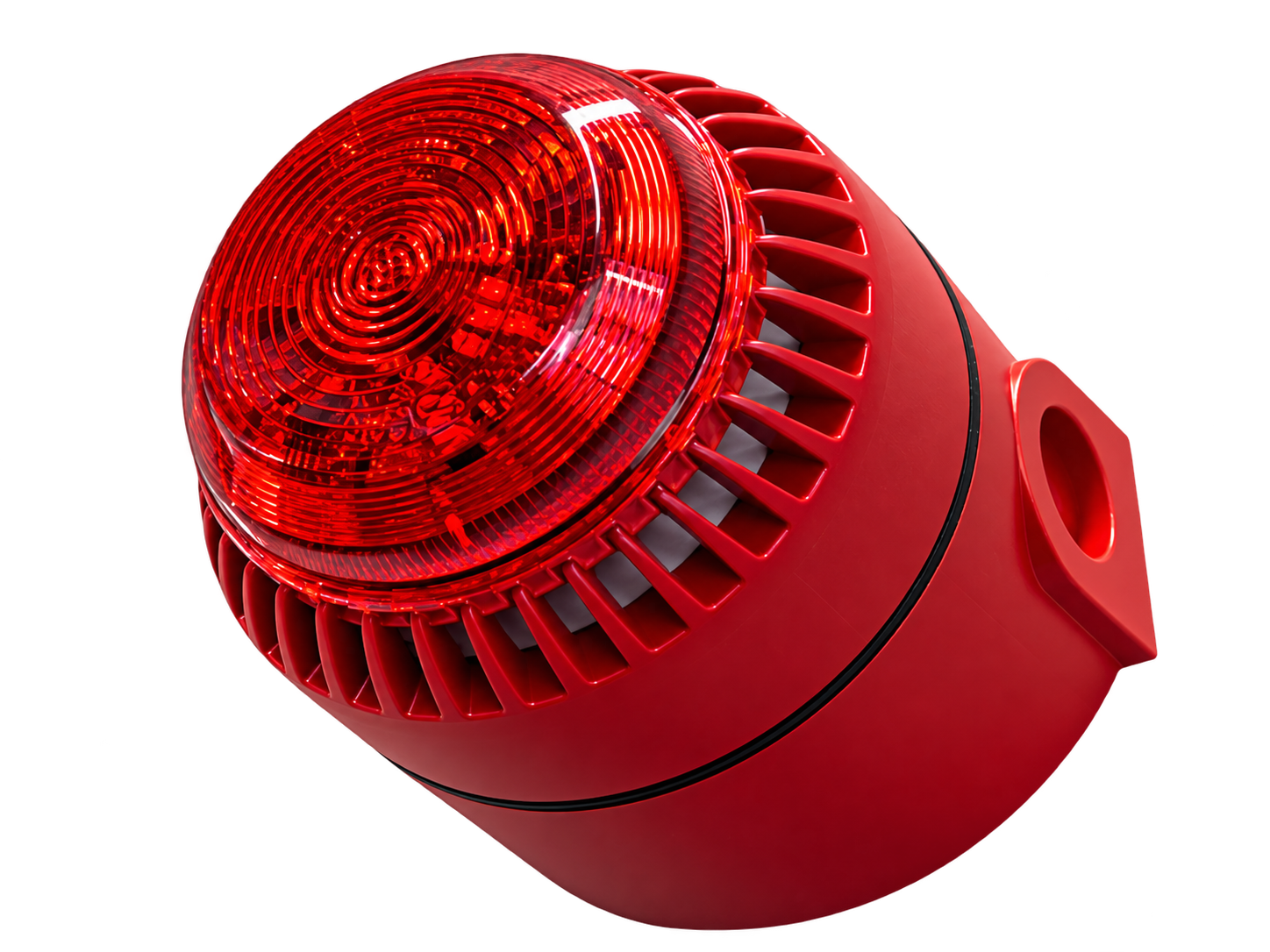
- Control panels, smoke and heat detectors, sounders and manual call points.
- Upgrades to ageing or unsuitable equipment.
- Commissioning and functional testing.
- Fault-finding and repairs to existing systems.
Where appropriate, we can assess whether an existing system can be repaired or upgraded rather than replaced entirely.
Fire Alarm Servicing, Inspections & Testing
Regular fire alarm servicing helps identify faults, maintain reliable operation and support ongoing fire safety responsibilities.
We provide routine inspections, testing and maintenance for commercial and domestic fire alarm systems, with servicing carried out in accordance with the relevant requirements of BS 5839 where applicable.
What Does a Fire Alarm Inspection Include?
Depending on the system installed, a typical inspection may include:
- Checking the fire alarm control panel for faults and warning indicators.
- Testing detectors, manual call points and sounders.
- Inspecting batteries, power supplies and relevant system components.
- Checking alarm activation, operation and fault reporting.
- Testing monitored fire alarm signals and checking communication with the Alarm Receiving Centre (ARC), where applicable.
- Reviewing previous faults, system records and outstanding recommendations.
- Recording inspection results and identifying any remedial work required.
We can also advise on appropriate inspection intervals based on the system type, property and applicable guidance.
Digital Fire Alarm Logbooks & Servicing Records
Keeping accurate fire alarm records is an important part of managing a property’s fire safety arrangements.
Alongside traditional paper records, we offer a digital fire alarm logbook system for a small additional fee, giving customers a convenient way to manage their testing, inspections and certification online.
Manage Your Fire Alarm Records Online
Our digital logbook system provides access to a dedicated customer portal and mobile app, allowing you to:
- Record Weekly Fire Alarm Tests: Log your routine weekly tests digitally without relying on a paper logbook.
- Access Certificates in One Place: Keep fire alarm servicing certificates and relevant documentation together for easy reference.
- Receive Inspection Reminders: Get notifications when routine inspections are due, helping you plan ahead.
- Maintain Digital Records: Keep an accessible history of recorded tests and servicing activity.
- Manage Records Remotely: Access relevant information through the customer portal or mobile app.
Digital logbooks provide a practical alternative to traditional paper records, making it easier for business owners, landlords and property managers to keep track of routine testing and servicing requirements.
When arranging your fire alarm servicing, ask us about adding digital logbook access to your system.
What Our Fire Alarm Maintenance Visits Include
Regular professional servicing helps identify developing faults, damaged components and problems that could affect system performance.
A typical inspection may include:
Control Panel Inspection:
Reviewing indicators, fault messages and system status.
Detector & Call Point Testing:
Checking selected devices using appropriate test methods.
Sounder Checks:
Verifying audible warning equipment operates correctly.
Power Supply Assessment:
Examining batteries, charging arrangements and relevant connections.
Fault Investigation:
Identifying reported problems and recommending corrective work.
Documentation:
Recording inspection findings, test results and identified defects.
The precise checks depend on the equipment, previous records and applicable requirements.
Servicing Schedules & Legal Responsibilities
Under the Regulatory Reform (Fire Safety) Order 2005, the responsible person must ensure appropriate precautions are maintained in relevant non-domestic premises.
BS 5839-1 provides recognised guidance for non-domestic detection systems, generally recommending competent-person inspections at intervals not exceeding six months.
The appropriate arrangements depend on the building and system. Routine user checks, commonly including weekly testing, remain separate from professional inspections.
Keeping accurate records of testing, defects and remedial work helps demonstrate ongoing management of your safety arrangements.
For related protection requirements, explore our fire safety solutions, including extinguisher inspections and emergency lighting testing.
How We Arrange Your Inspection or New System
Initial Discussion:
Tell us about your property, equipment and requirements.
System Assessment:
We review the existing setup or discuss the needs of a new project. For new fire alarm installations, we also request the property's most recent Fire Risk Assessment (FRA) to help establish the appropriate system requirements.
Recommended Work:
We explain the proposed approach, considering the relevant fire alarm grade, category, property requirements and factors affecting the quotation.
Engineer Visit:
Agreed testing, servicing or installation work is carried out.
Findings & Next Steps:
We explain identified issues and any further work recommended.
For existing equipment, photographs of the panel and its model details can help us prepare for your enquiry. If you're planning a new installation, providing your latest Fire Risk Assessment beforehand helps us make informed recommendations suited to your premises.
Discuss Your Servicing RequirementsCommon Warning Signs That Need Attention
Contact an engineer if you notice:
- Repeated fault or trouble indicators.
- Intermittent beeping from the control panel.
- Battery or mains supply warnings.
- Detectors failing routine checks.
- Unexplained activations.
- Damaged devices or disconnected equipment.
Do not ignore persistent faults or disable protective equipment without suitable safety arrangements. Prompt investigation can help identify the cause and establish the necessary corrective action.
Areas We Serve
Based in Pucklechurch, South Glos Fire Security provides fire alarm installation, servicing, maintenance and repairs for domestic and commercial properties across Bristol, Bath, South Gloucestershire and the wider South West.
Our service area also extends across Gloucestershire, Wiltshire and Somerset, with services available in parts of South Wales.
Whether you need a new fire alarm system, routine inspection, fault-finding or repairs, we provide professional support for homeowners, landlords, businesses and property managers throughout these areas.
If you’re unsure whether we cover your location, get in touch with your postcode and details of the work required. We’ll be happy to discuss your requirements and confirm availability.
Frequently Asked Questions
01
How Often Should a Commercial System Be Serviced?
For systems covered by BS 5839-1, competent-person servicing is generally recommended at intervals not exceeding six months. Some premises may require additional attention depending on their risk assessment, equipment condition or specific requirements. Routine user testing should also continue between professional visits.
02
Can You Maintain Equipment Fitted by Another Company?
Yes, we can assess existing systems, including conventional and addressable equipment. The work we can undertake depends on the manufacturer, equipment condition, available access and any specialist requirements. We can discuss these details before arranging an appointment.
03
How Much Does Fire Alarm Maintenance in Bristol Cost?
Fire alarm maintenance starts from £80 + VAT for the smallest, most basic systems at very local premises.
Costs vary depending on the number of devices, system complexity, property size, accessibility, travel distance to the site and any faults requiring investigation. Repairs or replacement components may involve additional charges.
The £80 + VAT starting price applies only to straightforward servicing at nearby locations, with costs increasing depending on the system, distance travelled and work required.
Contact us with your postcode and fire alarm system details for a quotation tailored to your property.
04
What Should I Prepare Before an Engineer Visits?
Where available, have your system logbook, previous inspection records and details of known faults ready. Access to the control panel and relevant devices is also helpful. Let us know about occupied areas or operational restrictions so testing can be planned appropriately.
05
Do You Provide New Systems as Well as Repairs?
Yes. We undertake new installations, commissioning, upgrades and fault-finding, alongside planned servicing. We can discuss whether your property requires new equipment or whether an existing arrangement can be retained and improved.
06
How Often Should Smoke and Heat Detectors Be Replaced?
Smoke and heat detectors generally have a recommended replacement lifespan of around ten years, although this can vary depending on the manufacturer and model. This includes mains-powered 230V detectors commonly installed in domestic properties.
Backup battery replacement requirements vary between devices. Some have replaceable batteries, while others contain sealed long-life batteries. Always follow the manufacturer's instructions for testing, maintenance and replacement.
Our FIA-trained engineers can advise on the condition of your existing detection equipment and whether replacement may be required.
Arrange Your Next Fire Alarm Inspection
Whether your business is approaching its next scheduled inspection, an existing panel is displaying a fault or you are planning a new detection system, South Glos Fire Security can help you understand the appropriate next step.
Tell us your property type, postcode and equipment details. You can also send photographs through WhatsApp Business to help us review your enquiry before arranging a visit.
Call 0117 937 4917
Email sgfs_2019@outlook.com